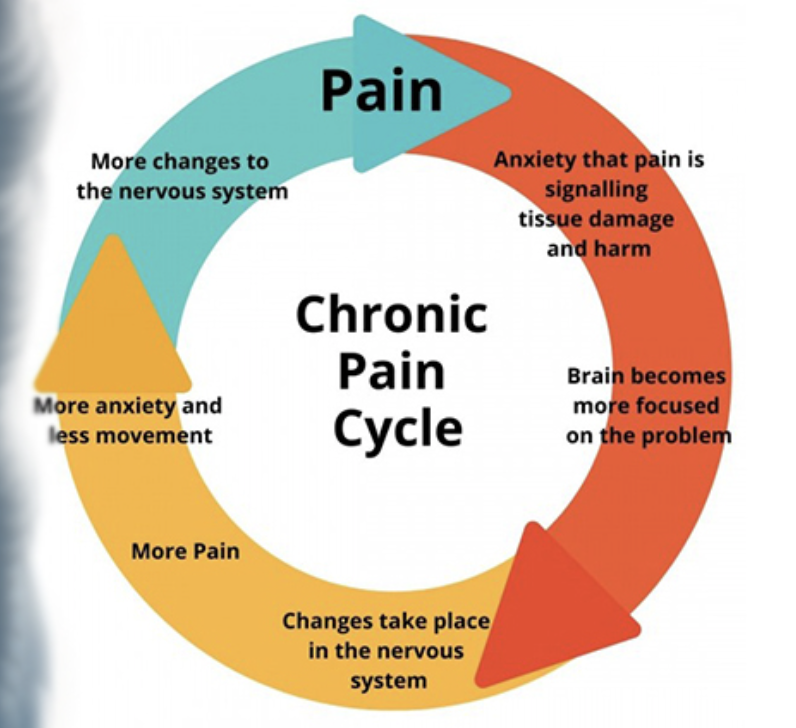
For newly diagnosed chronic pain patients, the emotional impact can land hard, relief at having
a name for what’s happening mixed with fear, grief, or anger about what comes next. The core
tension is that pain can feel unpredictable while daily responsibilities still demand attention, and
that gap can make even small decisions exhausting. Early on, the psychological adjustment to
chronic illness is real, and it often shows up as worry, frustration, or a sense of isolation. With
steady chronic pain management and patient support grounded in empathy, life can become
more workable again.
Build a Daily Pain-Relief Plan
In the first week after a chronic pain diagnosis, consistency often helps you feel less at the
mercy of symptoms. A simple daily plan can make pain more predictable, and give you clearer
information to share with your care team.
1. Track pain patterns like a short experiment: Use a notes page or calendar and log
pain intensity (0–10), location, what you were doing, sleep quality, stress level, and what
you tried for relief. Keep it quick, 60 seconds, 2–3 times a day, so you don’t burn out.
After 7–10 days, look for patterns such as “worse after long sitting” or “better on days I
take short walks,” which helps you choose the most effective changes.
2. Make medication schedules boringly consistent: If you take prescribed pain
medicines (or meds that affect pain like nerve agents), aim for the same times daily and
use a simple reminder system (phone alarm, pill organizer, or a checklist on the fridge).
Consistency helps avoid the “too late, too much pain” cycle, and it reduces accidental
double-dosing. If you use as-needed medication, write down your personal rules (e.g., “I
try heat + stretching first, then reassess in 30 minutes”) and bring those notes to your
clinician.
3. Build a 10-minute “movement snack” using basic physical therapy techniques:
Choose 2–3 gentle, low-risk moves you can repeat daily: diaphragmatic breathing (2
minutes), easy range-of-motion for the painful joint (3 minutes), and light strengthening
or stability work (5 minutes). Keep effort at a 3–4 out of 10 and stop if pain spikes
sharply, radiates in a new way, or lingers worse the next day. This approach supports
daily pain management by maintaining mobility without provoking flare-ups.
4. Use a safe relief menu, then rotate options: Create a short list of pain relief strategies
you can use at home: heat for stiffness (10–20 minutes), cold for sharp/inflamed pain
(10–15 minutes), brief pacing breaks, a supportive brace if recommended, or relaxation
practices during flare-ups. Rotating strategies prevents over-relying on one method and
helps you learn what works for which symptom. If pain is cancer-related, it may help to
know that research summaries of pooled pain prevalence show how common significant pain
is, which is one reason clinicians encourage structured, multi-tool plans rather than
a single fix.
5. Plan for flare-ups with “if–then” rules: Decide ahead of time what you’ll do when pain
increases, so you’re not making choices in the moment. Example: “If pain rises above
7/10, then I switch to light activity only, use heat, take my prescribed rescue plan if
applicable, and message my clinic if it lasts more than 24 hours.” Include red flags your
clinician has mentioned (new weakness, fever, loss of bladder/bowel control) so you
know when to seek urgent care.
Create a One-File Medical Packet for Every Appointment
Once you’ve started a simple daily plan to ease symptoms, the next stress-saver is making
appointments feel less like a scavenger hunt. Chronic pain care often involves multiple
clinicians, tests, and changing recommendations, and when documents are scattered across
portals, email threads, and paper folders, it’s easy to feel overwhelmed. Keeping your key
records in one place can reduce that mental load and make conversations with providers clearer
and more productive. Aim to gather the basics: test results and imaging reports, visit
summaries, treatment plans, referrals, symptom logs, and any insurance letters that affect what
you can access.
When everything is together, you spend less time trying to remember details and more time
focusing on what’s working, what isn’t, and what you need next. A low-effort way to do this
digitally is to combine the PDFs you already have into a single, shareable file, no special skills
required. An online PDF merger can help you consolidate multiple documents into one easy-to-
manage packet you can bring up on your phone, print, or send ahead of a visit. Over time,
keeping this file updated supports steadier symptom management, better appointment
preparedness, and more continuity in your care, especially as you begin adding gentle,
supportive habits that make day-to-day coping easier.
Small Habits That Make Pain More Manageable
When chronic pain is unpredictable, consistency can feel like control. These gentle, repeatable
habits build stamina and confidence over time without requiring an all-or-nothing overhaul.
Paced Movement Loop
● What it is: Do 5 to 15 minutes of easy movement, then rest.
● How often: Daily
● Why it helps: Neck pain research links exercise duration with analgesic effect.
Two-Minute Calm Reset
● What it is: Slow your breathing and relax your jaw, shoulders, and hands.
● How often: 2 to 3 times daily
● Why it helps: It lowers stress arousal that can amplify pain signals.
Steady Sleep Window
● What it is: Keep the same wake time and aim for 7-8 hours of sleep.
● How often: Nightly
● Why it helps: More regular sleep can improve pain tolerance and mood.
Protein Plus Produce Plate
● What it is: Add a palm of protein and one colorful fruit or vegetable.
● How often: Most meals
● Why it helps: Stable energy supports activity pacing and reduces crash days.
Weekly Flare Review
● What it is: Note what helped, what worsened symptoms, and one next tweak.
● How often: Weekly
● Why it helps: It turns setbacks into patterns you can plan around.
Chronic Pain Questions People Ask Most
Q: What should I do first when I realize my pain is becoming chronic?
A: Start by tracking your symptoms, sleep, activity, and triggers for one week, then bring that to
your clinician. Ask for a clear working diagnosis and a step-by-step plan, not just a prescription.
If new numbness, weakness, fever, unexplained weight loss, or bowel or bladder changes show
up, seek urgent care.
Q: How do I know if pain is “in my head” or truly physical?
A: Chronic pain is real, even when scans look normal. The nervous system can become extra
sensitive over time, which means pain can persist without new tissue damage. A practical next
step is to treat both body and stress responses with movement, sleep support, and skilled
therapy.
Q: What treatment options are worth asking about besides medication?
A: Many people benefit from a layered plan that can include physical therapy, graded exercise,
cognitive behavioral therapy, and mindfulness-based approaches. Ask whether heat or cold,
topical medicines, or targeted injections fit your diagnosis. If you use medication, request
regular reviews for benefits, side effects, and safer alternatives.
Q: When should I get a second opinion or ask for a specialist?
A: Consider it when your pain is worsening, your function is shrinking, or you feel unheard. A
second opinion can clarify diagnosis, rule out treatable causes, and offer options like pain
medicine, rheumatology, neurology, or behavioral health. Bring your symptom notes and a list of
what you have tried so far.
Building Hope and Control in Everyday Chronic Pain Management
Chronic pain can make each day feel like a negotiation between what matters and what the
body will allow. A steadier path comes from the mindset this guide has emphasized: pairing self-
compassion with practical tracking, building resilience with chronic pain over time, and
practicing self-advocacy in healthcare so your symptoms, goals, and concerns are taken
seriously. When these habits become consistent, the chronic pain journey often feels less
isolating and more navigable, with clearer signals about what helps and what worsens
symptoms. Small, repeatable steps create real control, even when pain doesn’t fully disappear.